


A crypto card is an alternative to a bank card for paying with cryptocurrency
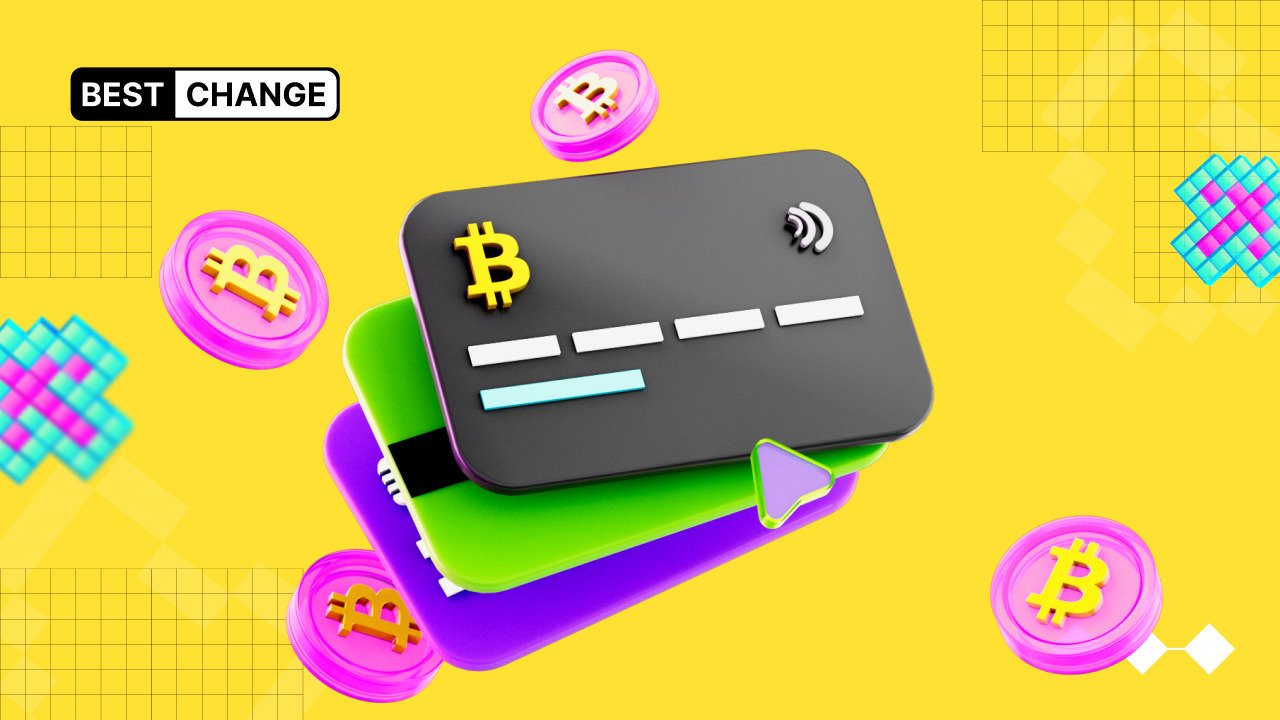
Despite the development of Bitcoin (BTC), Ethereum (ETH), Tether (USDT), and other cryptocurrencies, only a few countries in the world allow crypto assets to be used as a means of payment.
In most countries, this option is still unavailable; however, entrepreneurs have developed a solution by enabling payments for both online and offline purchases with crypto cards. So, what is a cryptocurrency card? How does it differ from a bank card, and which companies already issue crypto cards?
What is a cryptocurrency card?
A cryptocurrency card, or crypto card, is a payment instrument that allows you to spend accumulated cryptocurrency on everyday purchases.
The first crypto card was issued back in 2017 by the British fintech company Wirex in cooperation with the payment systems Visa and Mastercard. The crypto card even received a license from the UK Financial Conduct Authority (FCA). However, some data suggests that the first cryptocurrency card appeared as early as 2012.
There are three main types of crypto cards:
- Debit;
- Credit;
- Prepaid.
A crypto card can be physical (plastic) or virtual. Essentially, a cryptocurrency card is an analogue of a classic bank card, but it allows you to perform the following operations with crypto assets:
- Online and offline payments;
- Transfers;
- Lending;
- Deposits with interest accrual.
How does a crypto card work?
A cryptocurrency card allows you to store various digital assets: BTC, ETH, BNB, XRP, SOL, other altcoins, and stablecoins.
Despite its name, a crypto card does not allow you to spend cryptocurrency directly. This is not only because cryptocurrency payments are prohibited in many countries, but also because many merchants and stores are not ready to accept crypto payments due to the high volatility of digital assets.
At the moment of payment for goods or services, the crypto card converts the crypto asset into fiat currency at the market rate at the time of the transaction and charges a fee. As a result, the user gets the ability to spend cryptocurrency, while the merchant receives payment in fiat money.
To make a payment, the crypto card account must have a sufficient amount of crypto assets at the time of purchase, taking into account the conversion fee for converting tokens into fiat, which varies depending on the company issuing the crypto card.
Advantages and disadvantages of a cryptocurrency card
The main advantage of a crypto card is the ability to use digital assets for quick payment for goods and services. At the same time, the user does not need to convert tokens into fiat in advance.
Another advantage of cryptocurrency cards is often the availability of various bonuses in the form of cashback on purchases and interest accrual on the balance, which allows users to receive additional passive income from cryptocurrencies.
Due to the volatility of cryptocurrencies, except stablecoins, the balance of a crypto card can change within minutes, especially during crisis periods. This is one of the main disadvantages of cryptocurrency cards.
There may also be restrictions related to local legislation, including transaction blocks and even the blocking of the crypto card account.
Who has already released their own crypto card?
Banks themselves do not yet issue crypto cards due to regulatory uncertainty around cryptocurrencies; however, some exchanges and cryptocurrency services already do.
ByBit Card
The large exchange ByBit offers its own cryptocurrency card with free issuance and maintenance, as well as an interest rate of up to 8% per annum on the balance and cashback of up to 10%.
The ByBit Card charges a 0.9% fee for crypto asset conversions, which is added to the trading fee, and a 2% fee for cash withdrawals. Among the crypto assets supported by the ByBit Card are:
As of January 2026, issuance of the ByBit Card is available only to residents of EEA countries* and the United Kingdom.
* EEA (European Economic Area) is an association of European states created to extend the internal market of the European Union beyond EU member states. The EEA includes:
- all European Union countries;
- Norway, Iceland, and Liechtenstein.
Note: many crypto exchanges followed ByBit's example and also released their own crypto cards. Such exchanges include Gate.io, KuCoin, MEXC, and BingX.
Crypto.com
The crypto card from the Crypto.com exchange is available to residents of the USA, EEA countries, Brazil, and Canada. Both physical and virtual cryptocurrency cards can be issued, with an issuance cost of $5 to $25.
Maintenance of the Crypto.com cryptocurrency card costs from ˆ0 to ˆ24.99 per month; however, it provides commission-free cash withdrawals for amounts of ˆ200–1000 and cashback of up to 8%. Fees vary depending on the user's jurisdiction, and cryptocurrencies supported by the Crypto.com platform are available for payment.
Wirex Card
The Wirex crypto card offers up to 8% cashback and up to 16% on stablecoins held in the user's account. The Wirex Card allows cash withdrawals of up to ˆ200 per month without commission (if the limit is exceeded, the commission will be 2% of the amount).
The Wires Card crypto card is issued for free, does not charge an annual maintenance or exchange fee, and is available in several EEA countries, the United Kingdom, Switzerland, and Taiwan.
Ledger
One of the most well-known manufacturers of hardware wallets, Ledger, also issues its own cryptocurrency card with free maintenance and the ability to take out loans secured by cryptocurrency. It is available in:
- EEA countries;
- United Kingdom;
- Switzerland;
- Brazil;
- Mexico;
- Canada;
- Colombia.
Issuance of a Ledger crypto card costs ˆ10. Users of the Ledger cryptocurrency card can receive up to 1–2% cashback, depending on the cryptocurrency used, and can use it together with a hardware wallet. The Ledger crypto card supports all cryptocurrencies available in the Ledger Live application, a complete list of which can be found on the official website in the Supported Coins section.